We discuss your current system, its condition, and your household’s hot water requirements.

Is your water heater getting old, leaking, or struggling to provide enough hot water? Peniel HVAC helps homeowners explore replacement options suited to their household’s hot water needs, available space, and budget.
Whether your existing unit is nearing the end of its service life or repeated problems are making repairs less practical, choosing the right replacement can help restore dependable hot water and improve everyday comfort.
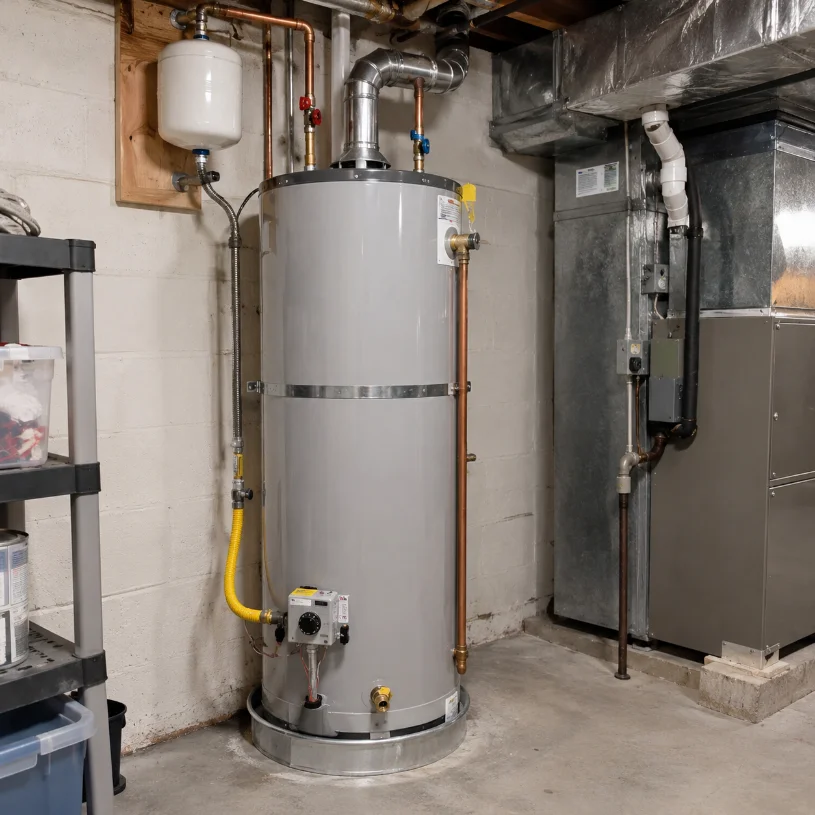
Your water heater works every day to supply hot water for showers, laundry, dishwashing, and other household tasks. As the system ages, corrosion, worn components, and reduced performance can make it less dependable. At some point, replacing the unit may be more practical than continuing to repair it.
The right replacement depends on your household’s hot water demand, the condition of your current system, available installation space, and whether you prefer a traditional tank or tankless model. Fuel type, energy efficiency, and the condition of existing plumbing, electrical connections, and venting also influence your options.
Peniel HVAC helps homeowners across Central New Jersey understand their home comfort needs and explore appropriate solutions. By considering the condition of your existing water heater alongside the cost and requirements of a replacement, you can make a more informed decision for your home.
An aging water heater may become less reliable over time. Consider replacement when its condition and repair history suggest it's nearing the end of its service life.
Water leaking from a corroded storage tank usually means replacement is necessary. Leaks from fittings or valves may be repairable, so identify the source first.
Repeated breakdowns can make an older unit expensive to maintain. Compare repair costs with the price of a new system.
If your household regularly runs out of hot water, your current unit may no longer meet demand. A correctly sized replacement may help.
Rust-colored hot water may indicate corrosion inside the tank or problems with the plumbing. Have the cause checked before deciding on replacement.
An aging or inefficient water heater may use more energy than expected. Comparing newer options can help you assess potential long-term savings.
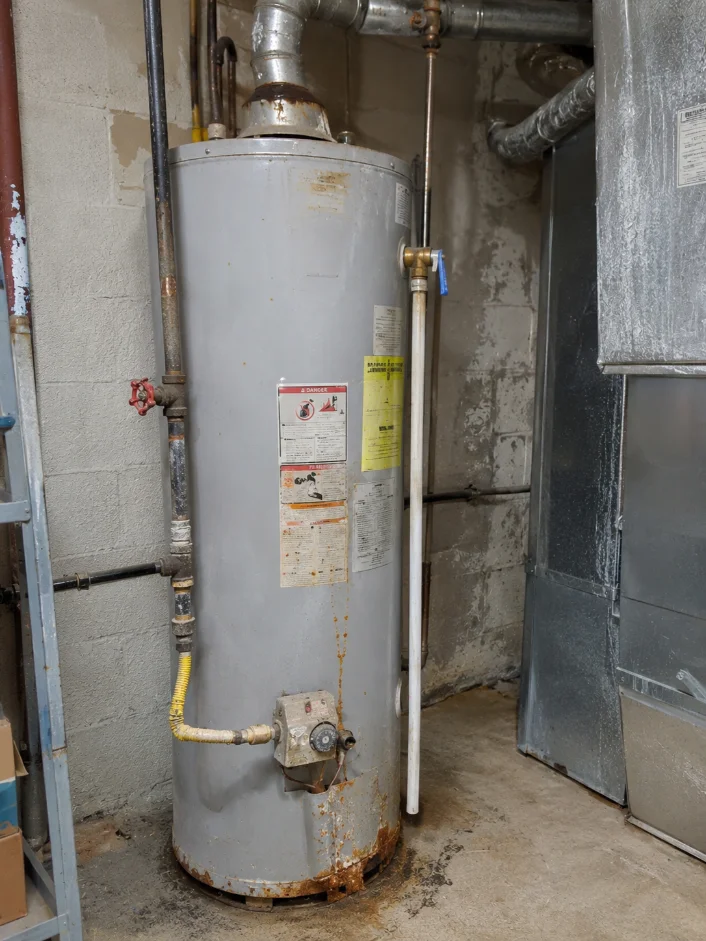
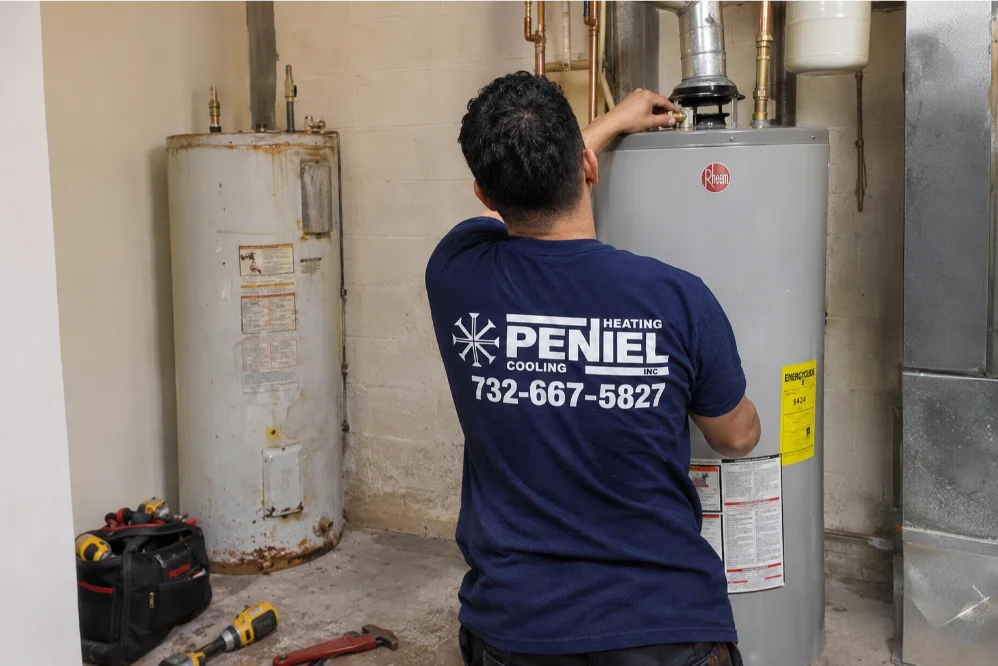
Traditional tank systems store hot water for household use. Choose a suitable capacity based on your family’s demand and the unit’s recovery rate.
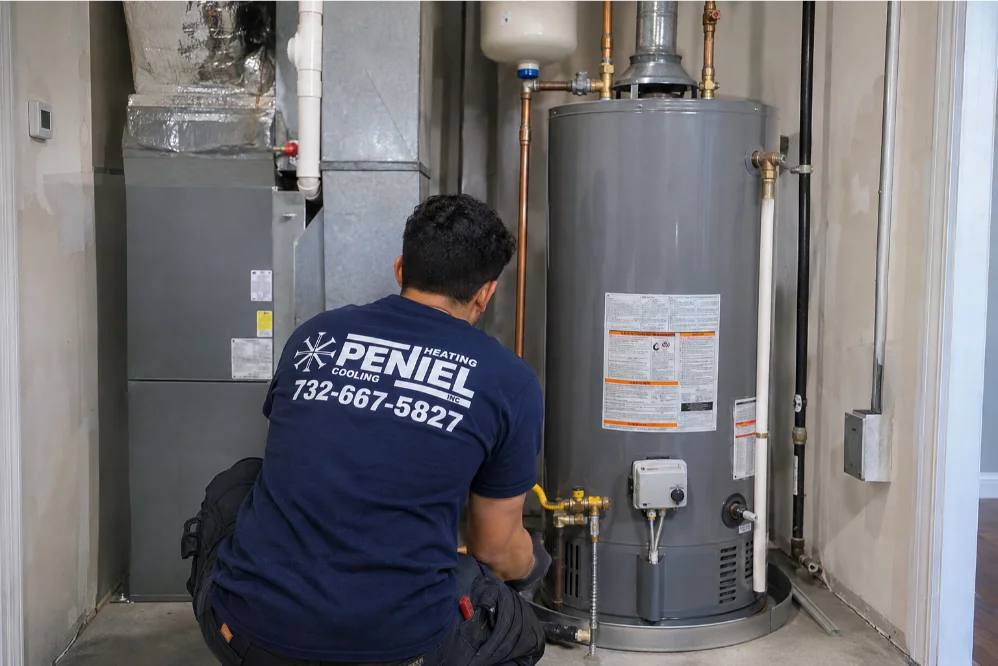
Gas models heat water using a burner. The replacement must suit your gas supply, venting arrangement, and household requirements.
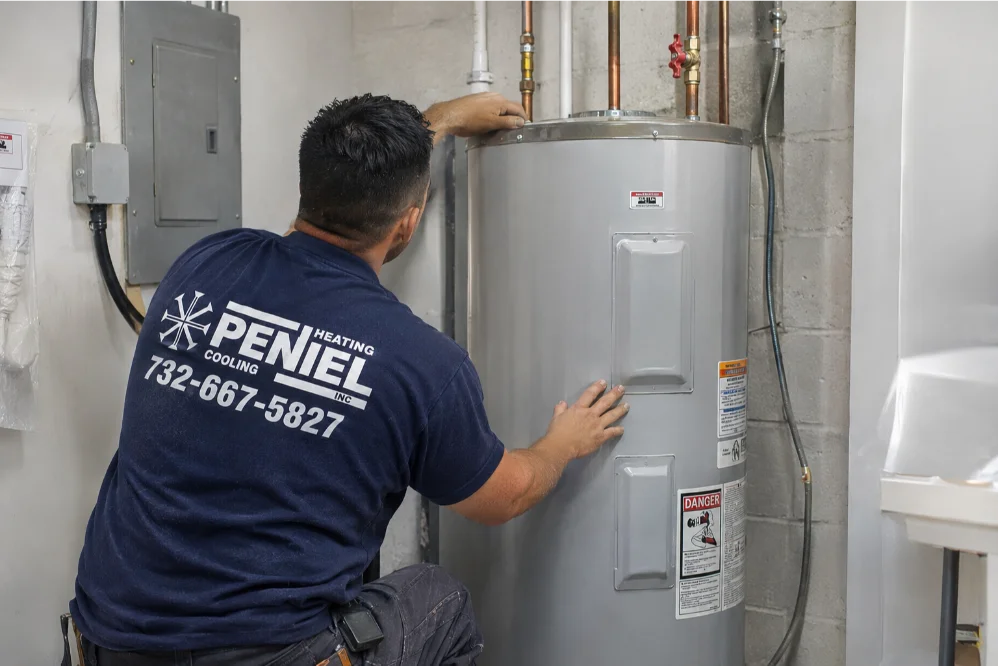
Electric models use heating elements to warm water. Your hot water demand, electrical capacity, and operating costs help determine suitability.
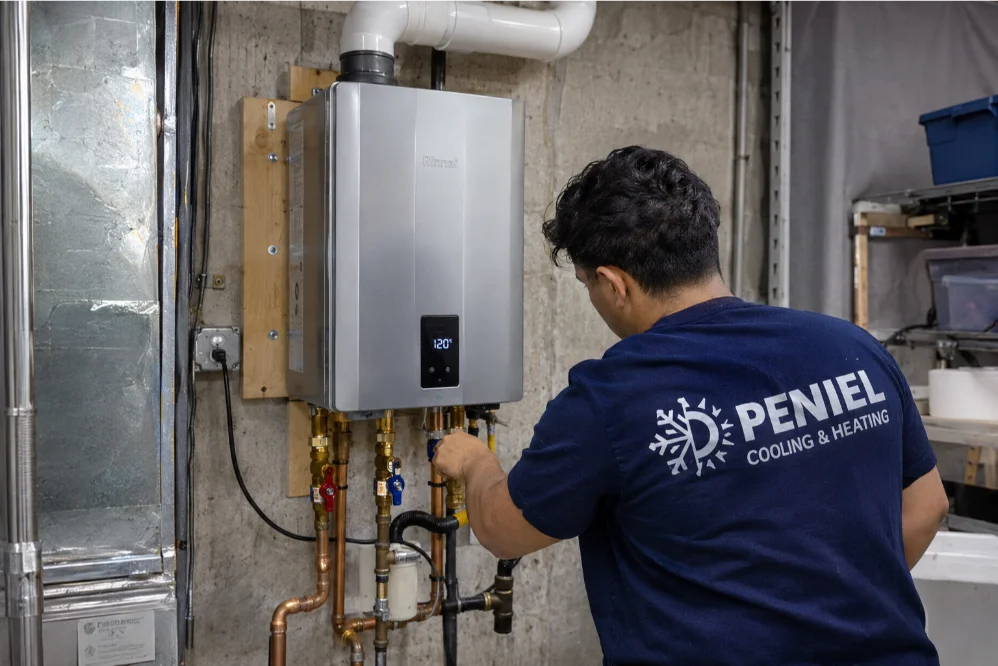
Tankless systems heat water on demand and take up less storage space. Proper sizing and suitable gas or electrical connections are essential.
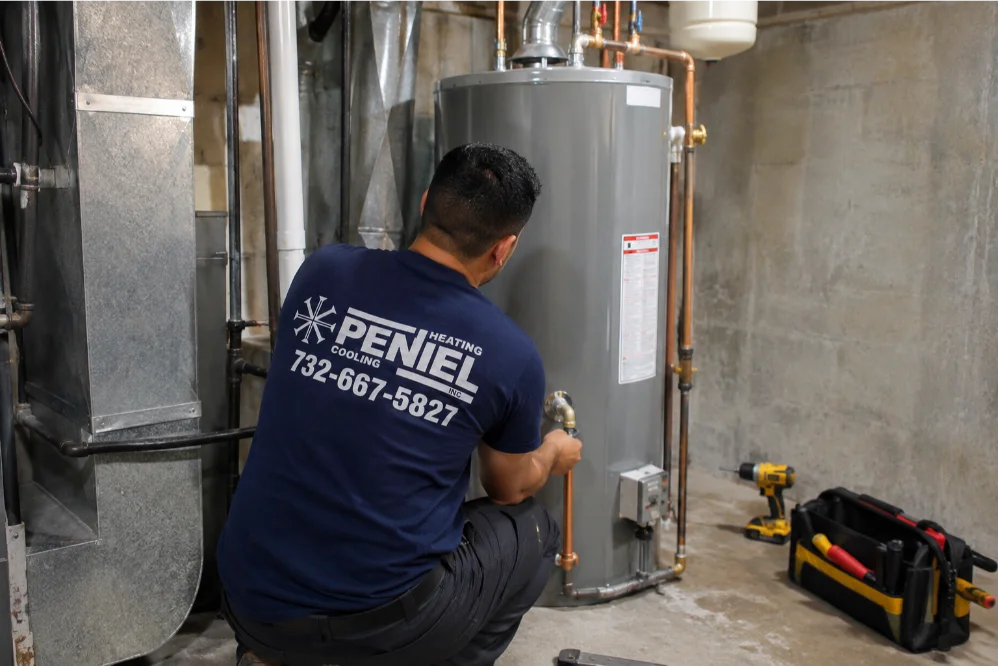
A growing household or additional bathroom may require greater hot water capacity. Choose a system that can meet your peak demand without unnecessary oversizing.
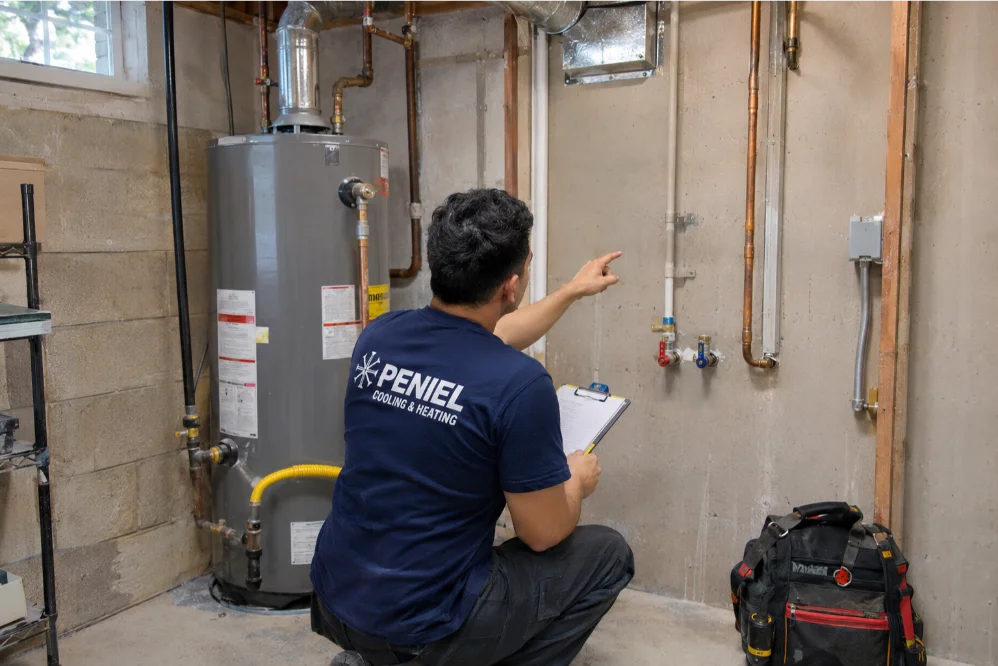
Switching from a tank to a tankless system can change your installation requirements. Gas supply, electrical work, venting, and drainage may need to be assessed before proceeding.

We discuss your current system, its condition, and your household’s hot water requirements.

We review suitable replacement options based on capacity, fuel type, efficiency, and installation needs.

Once the equipment and scope are agreed upon, the old unit is removed and the replacement is installed according to applicable requirements.

The new system is checked for proper operation, secure connections, and appropriate safety controls.
If your water heater is aging, leaking, or struggling to meet your needs, explore your replacement options before another breakdown disrupts your routine. Peniel HVAC can help you understand the factors involved in choosing a suitable system.
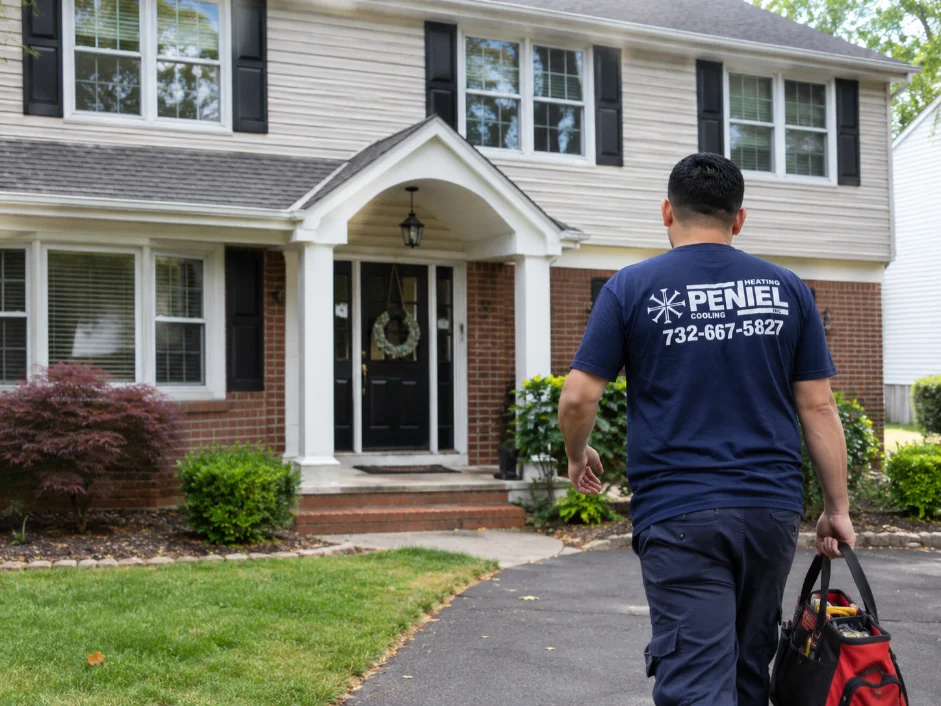
Peniel HVAC serves homeowners in Bound Brook, Bridgewater, Somerset, and Piscataway with heating and related home comfort services. Contact us to discuss your replacement requirements and confirm service availability for your location.
Our service area also includes Warren, Martinsville, Hillsborough, Basking Ridge, Middlesex, Green Brook, North Plainfield, Plainfield, Somerville, Manville, and Watchung.
We also serve Westfield and Scotch Plains. Get in touch to discuss your existing water heater and the replacement options available for your home.
Our old water heater was becoming unreliable, and we didn't want to keep dealing with the same problems. Peniel HVAC explained the replacement options and helped us understand what made sense. The work was handled professionally. I'm very happy with the new setup!
I had been considering replacing our water heater for a while. Peniel HVAC made the decision easier by explaining the options clearly. The team was friendly and kept me informed during the replacement. We have hot water working properly again. I'm glad I contacted them!
Our water heater had been giving us trouble, and I decided it was time to replace it. Peniel HVAC explained the available options without making things complicated. The team handled everything professionally. I'm really pleased with the service and glad we made the change!
An aging water heater that leaks, struggles to provide enough hot water, or requires repeated repairs may need to be replaced. A careful assessment helps you select a suitable new unit rather than simply repeating the existing setup.
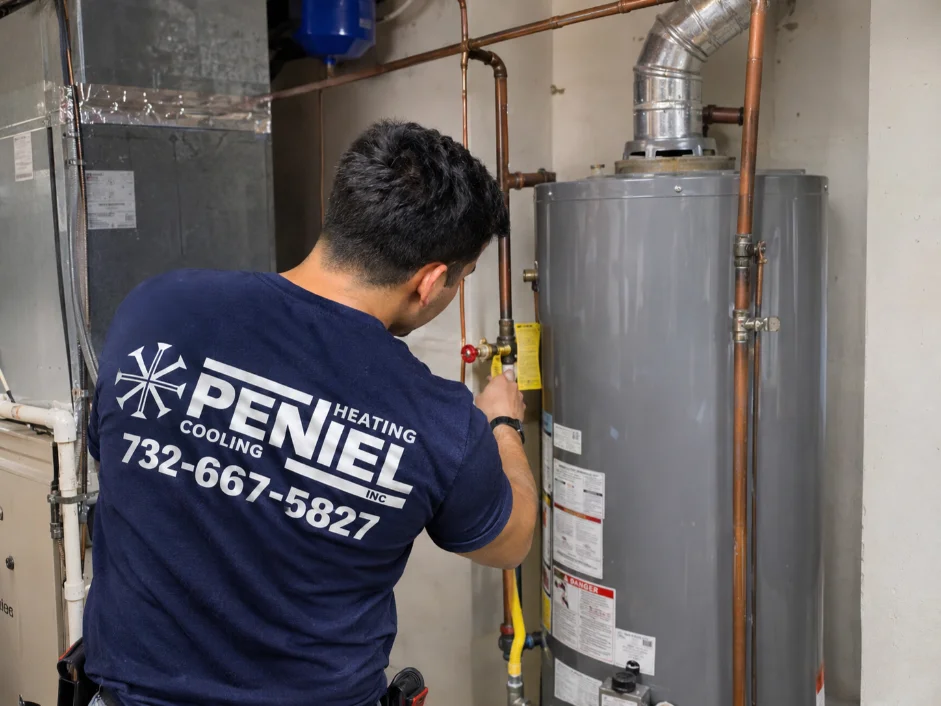
Replacing a conventional tank water heater in New Jersey typically costs around $1,200 – $3,650, including standard installation, although local quotes vary. A tankless replacement or conversion may cost approximately $2,550 – $6,500 depending on the system and installation requirements. Equipment, labor, permits, removal, and any necessary gas, electrical, or venting changes can affect the final estimate.
Many conventional storage tank water heaters last around 8–12 years, although actual service life depends on water quality, maintenance, usage, and equipment quality. Tankless systems may last longer with appropriate maintenance. Regular inspections can help you assess the condition of your existing unit.
Repair may make sense when the tank is sound and the problem involves a replaceable component. Replacement is often the better option when the tank itself is leaking, corrosion is extensive, or repeated repairs are becoming costly. Compare the repair estimate with the age and overall condition of the system.
A traditional tank stores hot water and may suit households with predictable demand. A tankless model heats water as needed and takes up less space, but its flow capacity must meet your household's simultaneous hot water needs. Your budget, fuel supply, and installation requirements also influence the choice.
The correct size depends on household size, peak hot water use, and the number of fixtures used at the same time. Tank systems are evaluated by storage capacity and recovery rate, while tankless models must meet the required flow rate and temperature rise. Proper sizing helps prevent repeated hot water shortages.
Yes, in some homes, but the existing electrical service must be able to support the selected unit. The conversion may also involve changes to connections, venting, or other installation components. Have the requirements assessed before choosing the replacement.
A more efficient model may reduce energy use compared with an older, inefficient unit. The potential savings depend on the equipment, household demand, local energy prices, and installation cost. Comparing efficiency ratings and estimated operating costs can help you assess the long-term value.
A straightforward replacement may be completed in a day, depending on the equipment and site conditions. Switching system types, modifying gas or electrical connections, or installing new venting can extend the work. Your installer should provide a more accurate timeframe after assessing the project.
Many water heater replacement projects require permits and inspections under applicable New Jersey and local requirements. The exact process depends on the municipality and the work involved. Confirm the requirements with the local construction office and clarify who will arrange the necessary permits.
The old unit should be disconnected and removed safely as part of the replacement plan. Ask whether removal and disposal are included in your estimate, and whether any additional work is needed to bring the installation up to applicable requirements. Do not attempt to disconnect gas or electrical connections yourself.
An aging or unreliable water heater can make everyday routines frustrating. Whether you’re considering a like-for-like tank replacement or exploring a tankless upgrade, Peniel HVAC can help you understand the factors involved and plan your next steps.

Serving comfort. Powered by Faith
© 2026 | Peniel HVAC. All Rights Reserved.
Made with 🤍 by Priyash Kadu
WhatsApp us